Welcome to my UX Design Portfolio. I am a London-based UX designer with a background in Computing. I also mentor fellow designers and I love to speak about design.
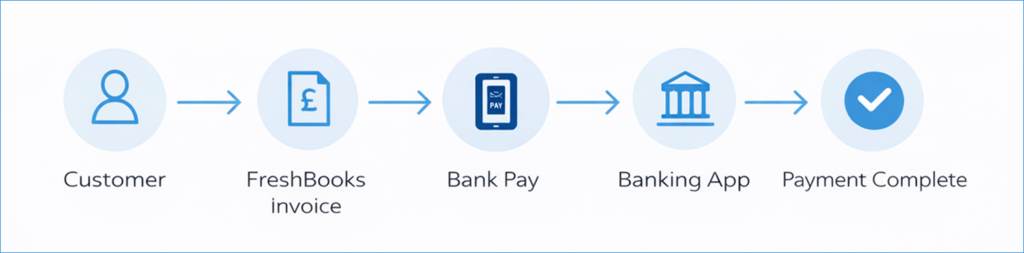
Barclaycard introduced Bank Pay as a new payment method designed to enable customers to pay directly from their bank account, removing the need for traditional card-based transactions. The initiative focused on embedding this capability within the existing merchant journey in FreshBooks, allowing businesses to accept payments seamlessly within their invoicing workflows.
Rather than building a new experience from scratch, the challenge centred on integrating Bank Pay into an already established ecosystem. This required careful consideration of how users currently interact with payment flows, ensuring that the introduction of a new method did not disrupt familiar behaviours or reduce trust. Operating within a regulated financial environment also meant that usability, clarity, and security needed to be balanced alongside technical and compliance constraints.
SETTING THE STAGE: Introducing a new payment behaviour within an established financial ecosystem
Barclaycard introduced Bank Payas a new way for customers to pay directly from their bank account within FreshBooks. The goal was to integrate this payment method into an existing merchant journey without disrupting user behaviour or trust.
Rather than redesigning the experience entirely, the challenge focused on embedding Bank Pay into an already established ecosystem while maintaining clarity, security, and usability.
Sitemorse Index
CHALLENGE
THE KEY CHALLENGE
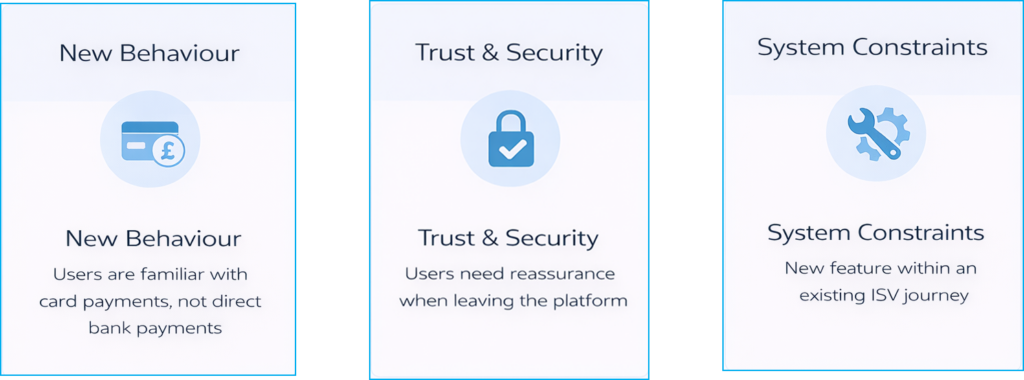
Introducing Bank Pay required more than adding a new payment option. It involved reshaping how users think about payments within a familiar journey. Customers are deeply accustomed to card-based transactions, and shifting this behaviour introduced uncertainty at key interaction points.
At the same time, the solution needed to fit within an existing ISV journey, meaning there were limitations in how much the experience could be altered. The challenge was to introduce this new capability in a way that felt intuitive, trustworthy, and aligned with user expectations, while working within the constraints of an already live system.
Identified Challenges.
MY ROLE
HOW I CONTRIBUTED
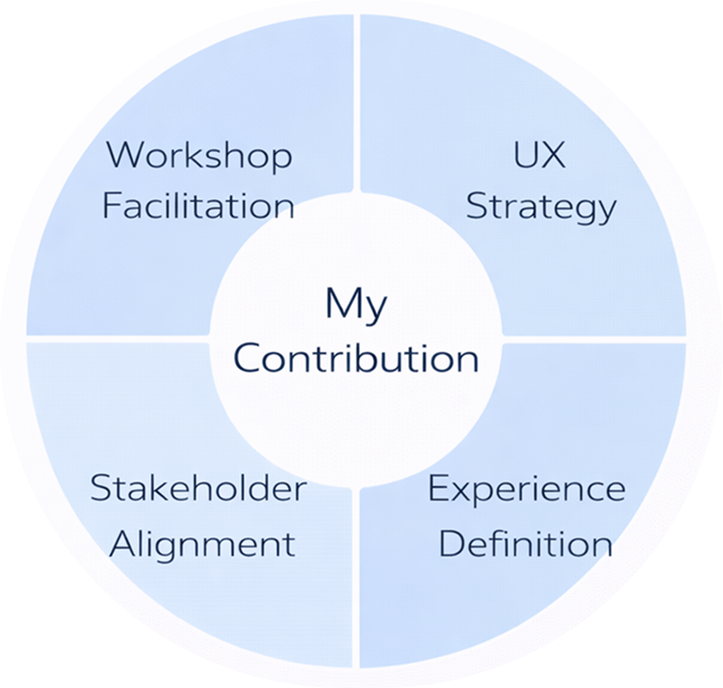
As a UX Designer on this project, I played a central role in shaping how Bank Pay was introduced into the merchant journey. My responsibilities extended beyond design execution into facilitation, alignment, and strategic decision-making.
I led cross-functional workshops with product managers, engineers, and stakeholders to map the end-to-end experience and identify potential risks. I also contributed to defining the overall experience direction, ensuring that user needs were consistently represented alongside business and technical requirements. This role required navigating ambiguity, influencing decisions, and maintaining a clear focus on usability within a complex, regulated environment.
My Contribution
WORKSHOP LEADERSHIP & DRIVING ALIGNMENT
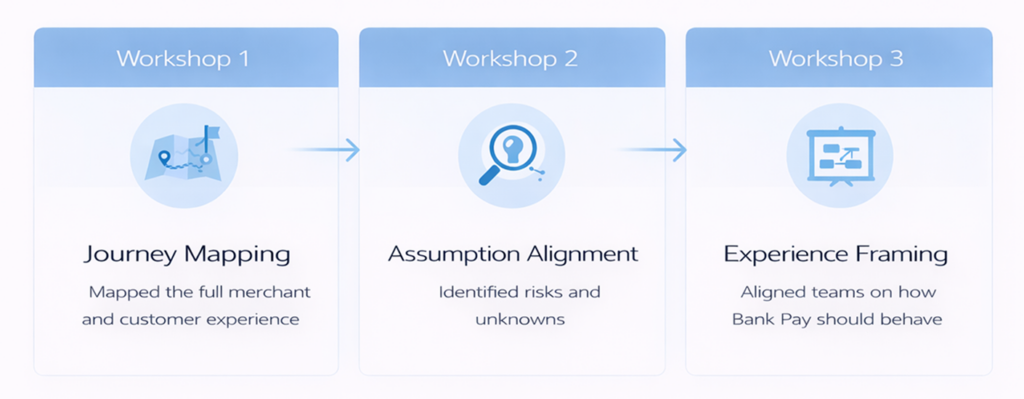
A key part of my contribution was facilitating workshops that brought together multiple teams to align on the experience. These sessions were instrumental in shifting the conversation from feature delivery to user experience.
Through journey mapping, we were able to visualise the full merchant and customer flow, highlighting moments of friction and uncertainty. Assumption alignment sessions helped uncover gaps in understanding and identify potential risks early in the process. Finally, experience framing workshops enabled us to define how Bank Pay should behave within the journey, ensuring consistency and clarity across all touchpoints.
These workshops not only improved the quality of the solution but also created a shared understanding that helped streamline decision-making across teams.
Workshop Leadership.
EXPERIENCE
UNDERSTANDING THE EXPERIENCE
Working within the live environment provided valuable insight into how users interacted with the payment flow in real conditions. Rather than relying solely on assumptions, this allowed us to observe where users hesitated, became uncertain, or required additional reassurance.
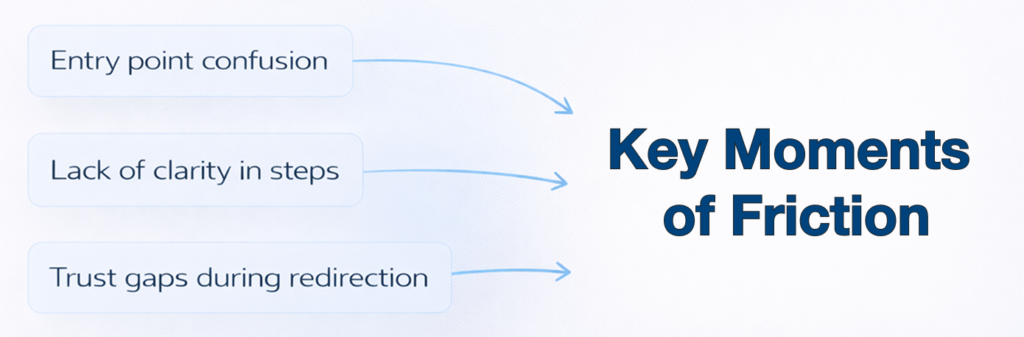
Key moments of friction emerged during transitions between platforms, particularly when users were redirected to their banking interface. These transitions introduced uncertainty, as users were unsure whether the process was secure or expected. Additionally, a lack of clarity in certain steps made it difficult for users to understand where they were in the process or what would happen next.
These observations highlighted the importance of designing not just for functionality, but for confidence, ensuring users feel in control and informed throughout the journey.
Frictions Encountered by Users
INSIGHTS
EMERGING KEY INSIGHTS
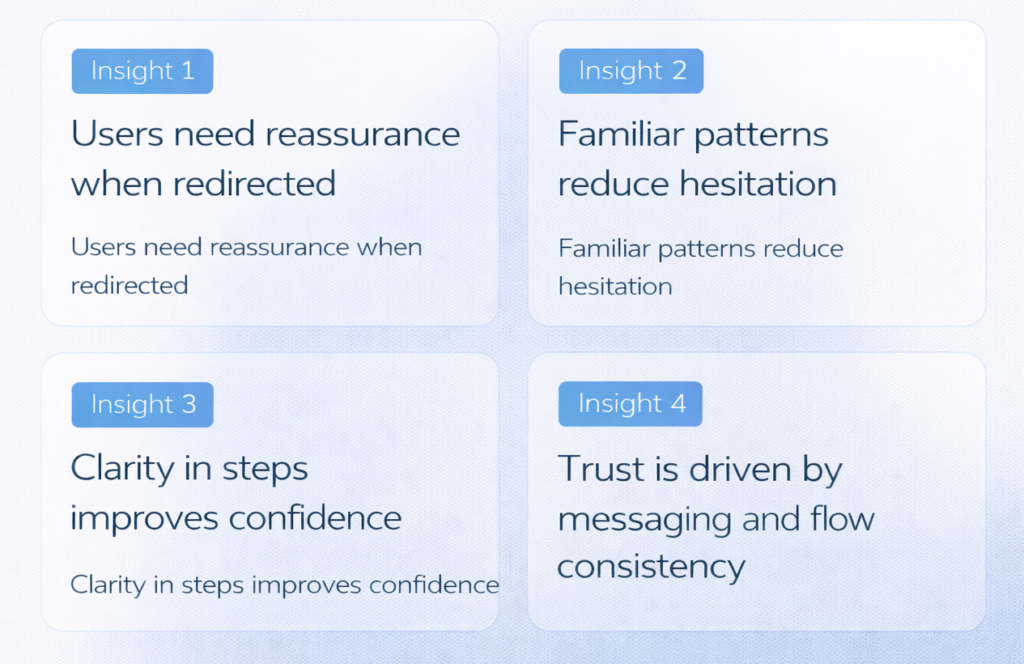
From these observations, several key insights emerged that directly informed the experience strategy. Users required reassurance when moving between platforms, particularly in a financial context where trust is critical. Familiar patterns played an important role in reducing hesitation, as users were more confident when interactions aligned with expectations.
Clarity across each step of the journey was essential in helping users understand the process and feel in control. Finally, trust was not driven by a single element, but by a combination of clear messaging, consistent interactions, and a cohesive flow from start to finish.
The Key Insights
STRATEGY
THE EXPERIENCE STRATEGY
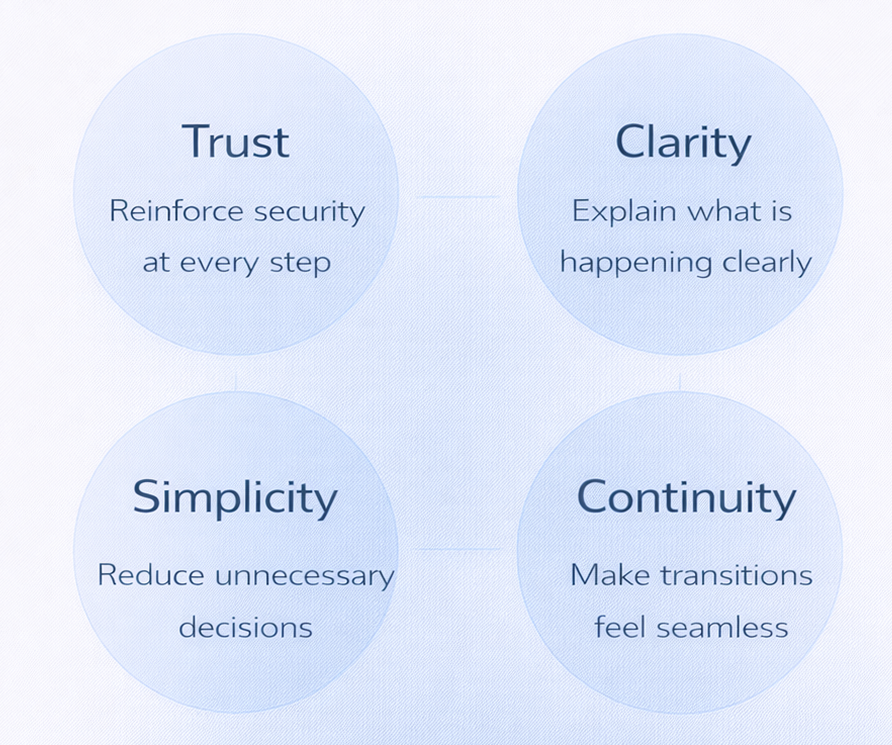
To address the challenges identified, I defined a set of core experience principles that guided design decisions throughout the project. These principles ensured that the solution remained focused on user needs while working within system constraints.
Trust was prioritised by reinforcing security and reassurance at every step of the journey. Clarity focused on making each interaction and transition easy to understand, reducing ambiguity for users. Simplicity ensured that unnecessary decisions were removed, allowing users to complete tasks with minimal cognitive effort. Continuity aimed to create a seamless experience across platforms, ensuring that transitions felt intentional rather than disruptive.
Together, these principles provided a clear framework for evaluating and improving the experience.
Experience Strategy
DESIGN
THE DESIGN IMPROVEMENTS
The design improvements focused on refining key moments within the journey to reduce friction and improve overall usability. By improving clarity across payment steps, users were better able to understand what was happening and what was required of them.
Strengthening trust during redirection was another critical improvement, ensuring that users felt secure when moving between platforms. Additionally, aligning stakeholders through workshops resulted in a clearer shared understanding of the experience, reducing inconsistencies and supporting a more cohesive solution.
The work helped shape how Bank Pay was introduced into the merchant journey, ensuring that the experience aligned with user expectations around security, clarity, and ease of use.
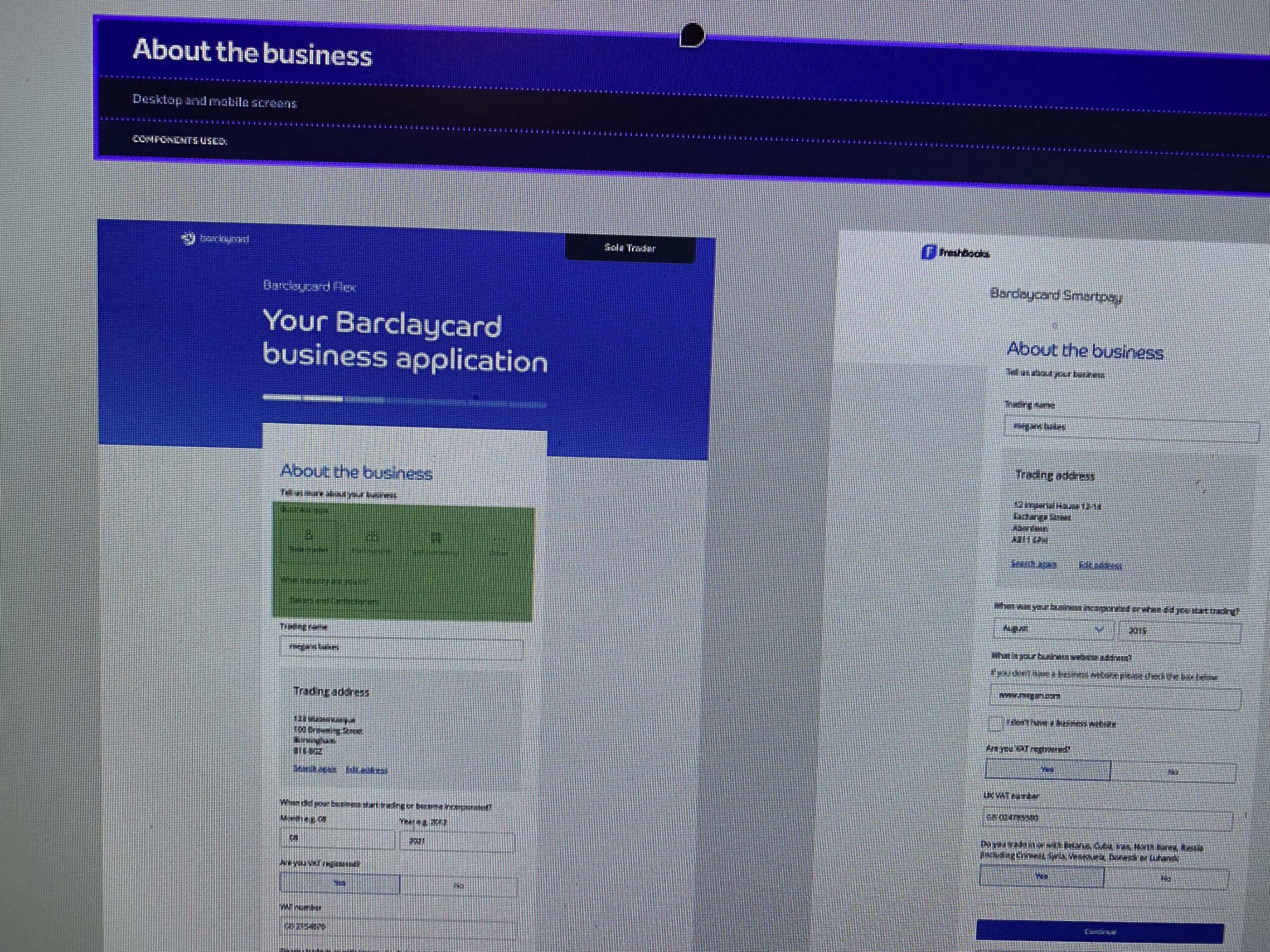
About the Business
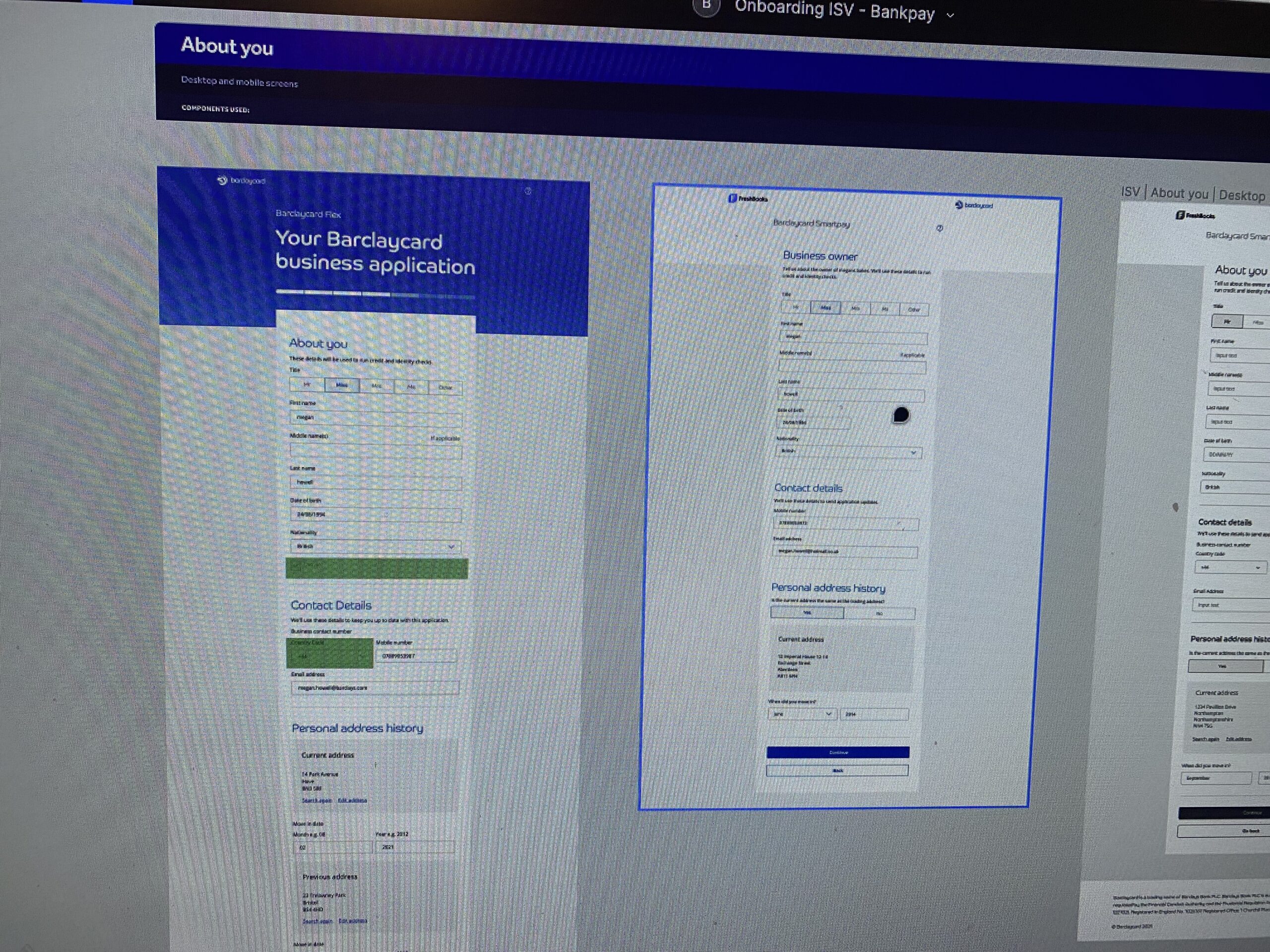
About You
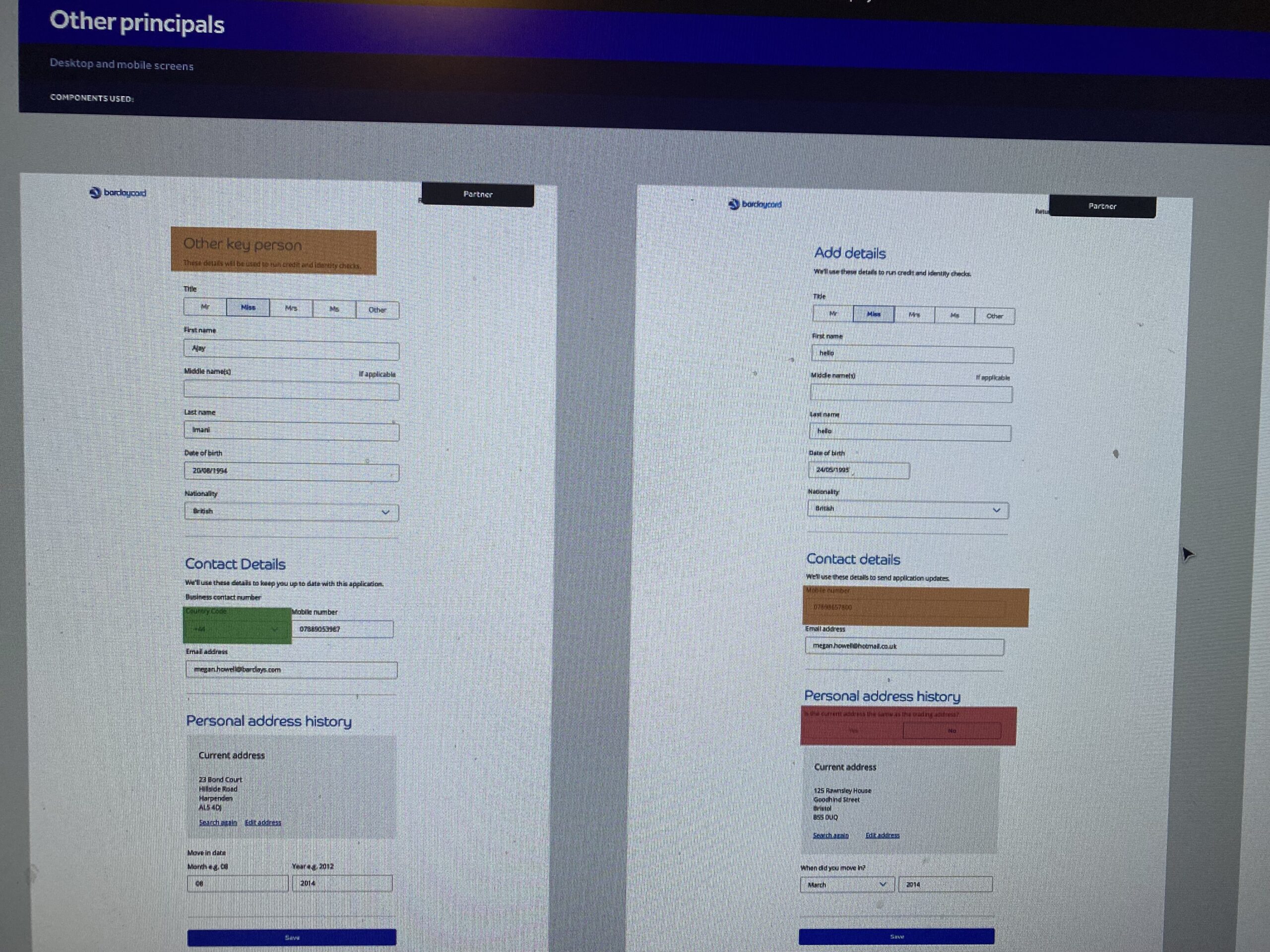
Other Principals
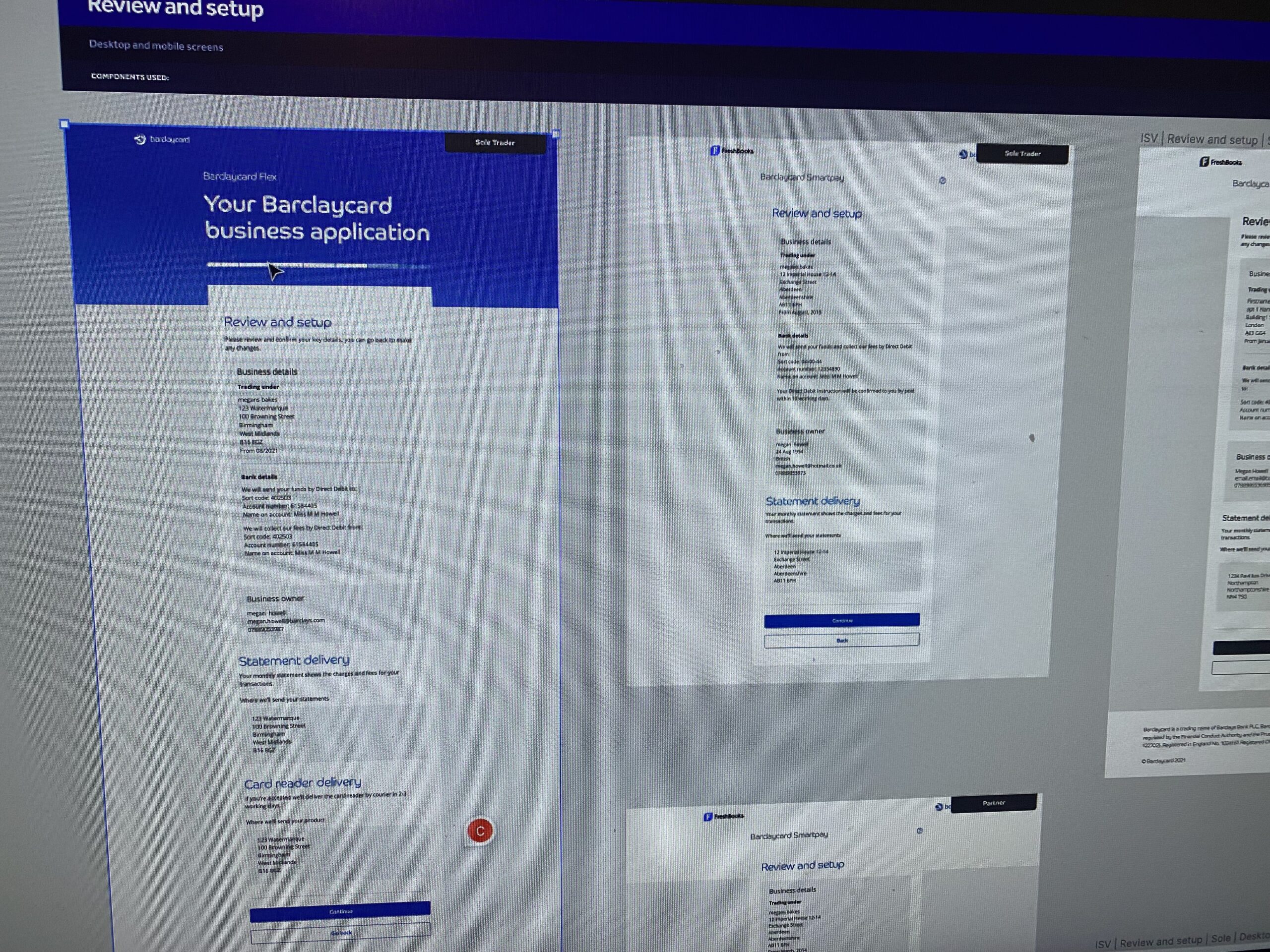
Review & Setup
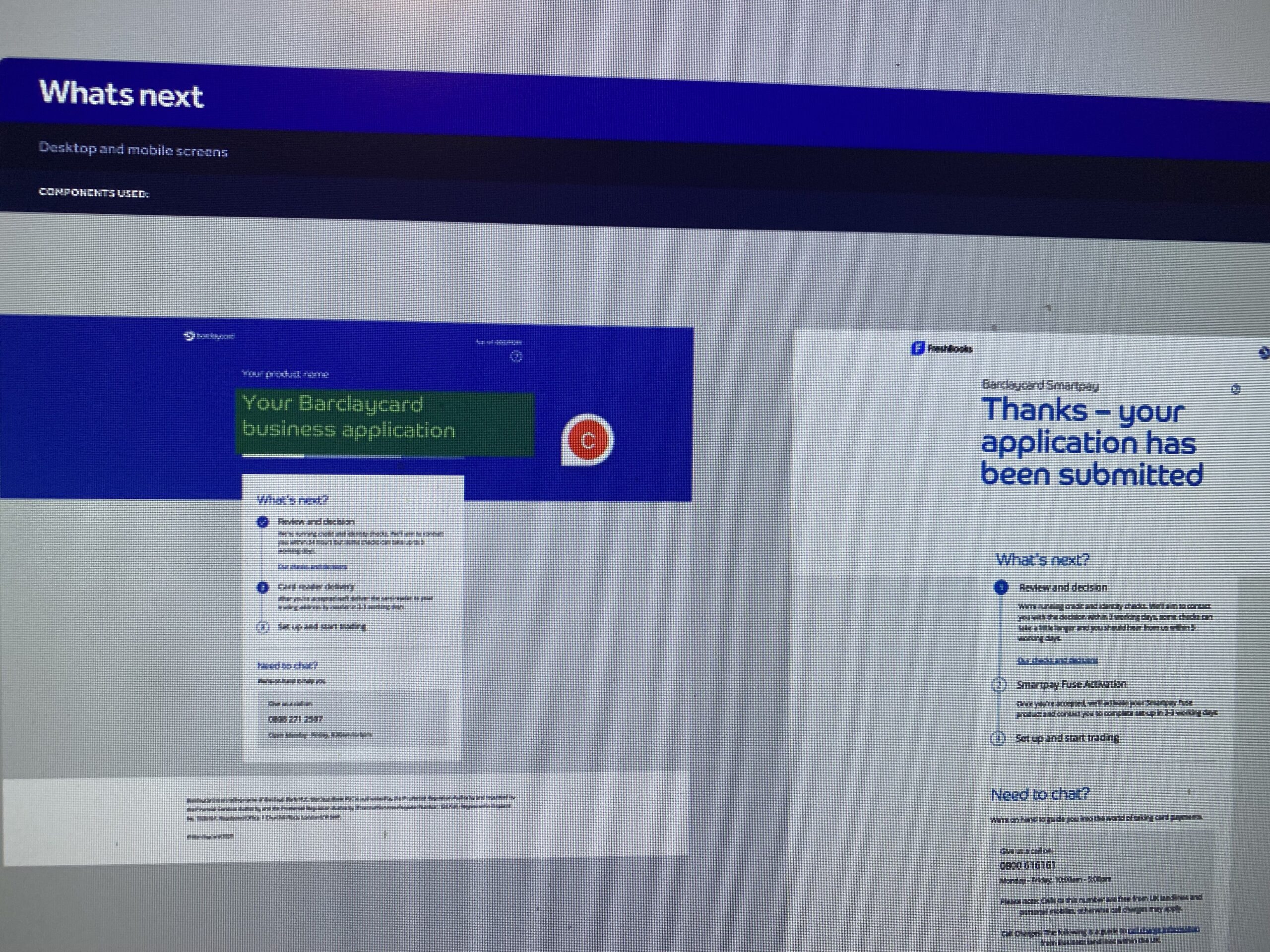
Whats Next
THE OUTCOME
By identifying usability risks early and aligning teams through structured workshops, the project was able to introduce a new payment method without disrupting the existing experience. The refined journey reduced potential friction points and supported a smoother adoption of Bank Pay within the merchant workflow.
More broadly, the project demonstrated how thoughtful UX design can bridge the gap between innovation and user trust, particularly within complex and regulated systems.
REFLECTION
MY KEY TAKEWAYS
This project strengthened my ability to operate at a strategic level, balancing user needs with business objectives and technical constraints. It also reinforced the value of facilitation as a core design skill, highlighting how bringing teams together around a shared understanding can significantly improve outcomes.
Ultimately, the experience emphasised that successful design is not just about introducing new features, but about ensuring those features integrate naturally into the user’s existing world.
Designing within a regulated environment reinforced the importance of clarity, trust, and alignment across teams.